Residential Drain Cleaning Tacoma Questions to Ask Before Hiring a Professional
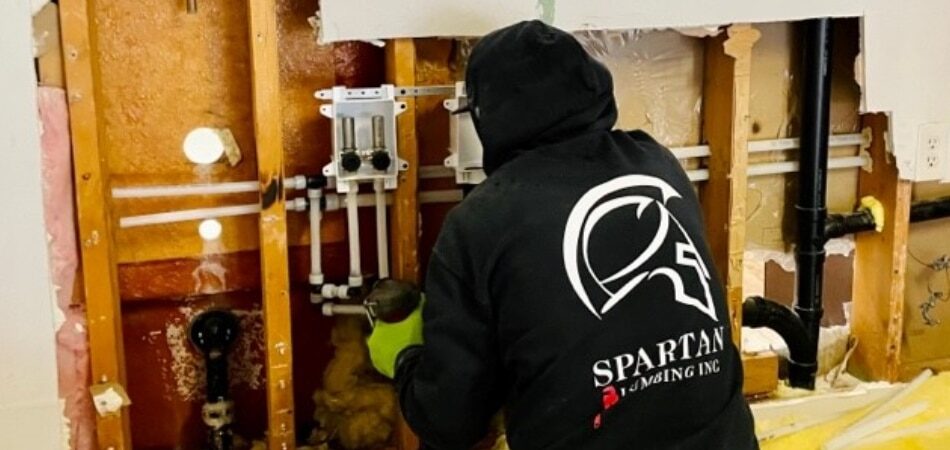
A slow kitchen sink rarely starts as an emergency. It gurgles a little. The water hangs around the drain longer than it used to. Someone reaches for a bottle of drain cleaner, buys a few weeks of relief, and moves on. Then one evening the dishwasher drains, the sink backs up, and suddenly the problem is no longer minor. At that point, most homeowners are not just looking for service. They are trying to figure out who they can trust inside their home, what the real problem might be, and whether they are about to pay for a simple cleaning or a much larger repair.
That is why the questions you ask before hiring matter. Residential drain cleaning Tacoma homeowners need is not hard to find. Good drain cleaning, clear communication, and sound judgment are less common. Drain work sits in that awkward category of home service where the issue is often hidden, the causes vary wildly, and the wrong recommendation can cost far more than the clogged pipe itself.
Tacoma homes add another layer of complexity. Some neighborhoods have older plumbing, mature trees, or long lateral lines to the sewer. Newer homes can have their own issues, especially when grease, wipes, or poor installation habits enter the picture. A company that works on residential drains every day should understand the local housing stock, common pipe materials, and the difference between a routine stoppage and a symptom of a failing line.
Start by asking what they think is actually happening
The first useful question is simple: based on what I’ve described, what do you think the likely cause is?
A professional should not pretend to diagnose your line with total certainty over the phone. That is a red flag. But they should be able to talk through possibilities with you in a way that sounds grounded, not rehearsed. If you say only one bathroom sink is draining slowly, that suggests a local branch clog. If the tub gurgles when the toilet flushes, or multiple fixtures back up at once, the issue may be farther down the line. If the problem happens after heavy rain, there may be a drainage or sewer issue beyond the immediate fixture.
You are listening for how they think. Do they jump straight to the most expensive scenario? Do they act as if every drain needs a camera inspection before they even arrive? Or do they explain the range of likely causes and what signs would help narrow it down?
In real homes, symptoms can mislead. I have seen homeowners swear the kitchen line was the problem because that was where the backup appeared, when the actual blockage sat much farther downstream. I have also seen companies oversell a major sewer issue when the problem was a simple soft clog near the trap. The right contractor respects uncertainty and explains how they will sort it out.
Ask how they diagnose before they clean
Drain cleaning is not one single process. A good company will tailor the approach to the problem. That means diagnosis comes first.
Ask what steps they take before they begin work. A thoughtful answer might include asking which fixtures are affected, whether the clog is recurring, whether prior drain cleaners were used, and whether there are signs of sewer odor, backups, or overflow. On site, they may test drainage at nearby fixtures, inspect cleanouts, and decide whether standard snaking, cable work, hydro jetting, or a camera inspection is appropriate.
This matters because different methods solve different problems. A hand auger can clear a hair clog in a bathroom sink. A larger cable machine may be better for a main line stoppage. Hydro jetting can be excellent for grease buildup and heavy sludge in some lines, but it is not automatically the right first move for every older pipe. A camera can reveal root intrusion, offsets, breaks, or heavy scale, but it should have a reason behind it, not just serve as a sales tool.
When you ask about diagnosis, you are also testing whether the company understands the difference between opening a line and cleaning it well. Many drains can be made to flow temporarily. Fewer are cleaned thoroughly enough to reduce the chance of a quick repeat call.
Pricing should be clear before a machine comes through the door
One of the most common homeowner complaints in drain work is pricing that changes once the technician arrives. Sometimes that is legitimate. Problems turn out to be more complex than described. Access is poor. The clog sits in the main line, not the branch line. But too many people get vague phone quotes that bear little resemblance to the final invoice.
Ask what the service call includes, what the base drain cleaning price covers, and under what conditions the price could increase. You are not just looking for the lowest number. You are looking for a company that can explain its pricing in plain language.
A fair answer might sound something Residential Drain Cleaning Tacoma like this: there is a fee to come out and evaluate the problem, standard drain cleaning covers a typical stoppage at an accessible fixture or cleanout, and additional charges may apply if a roof vent must be used, if the line requires more extensive cable work, or if a camera inspection is added. That kind of answer shows boundaries and transparency.
Be careful with companies that advertise a rock-bottom special and then use every visit to upsell. In residential drain cleaning Tacoma customers often encounter coupon pricing that applies only to the easiest possible job, with surprise fees attached for almost anything real. The issue is not that extra work costs more. It should. The issue is whether that was explained honestly before work began.
Find out whether they perform camera inspections, and when
Camera inspections can be extremely useful, especially with recurring clogs, older homes, or any suspicion of root intrusion or pipe damage. They can also be overused. The right question is not just, do you have a camera? It is, when do you recommend using one?
If every drain call automatically becomes a camera job, be cautious. A slow lavatory drain clogged with hair does not usually need a scope. On the other hand, a main sewer line that backs up twice in six months probably does. If a company clears a line and then immediately recommends a camera because they suspect a structural issue, ask what symptoms led them there. Their explanation should connect to your actual situation.
A good technician might say a camera is useful if the line repeatedly clogs, if they pull back roots on the cable, if they suspect a belly or offset joint, or if they want to verify that the blockage is fully cleared. That is a balanced answer. It tells you they are using the technology to solve a problem, not just to enlarge the invoice.
Experience matters, but relevant experience matters more
Years in business can mean something, but it is not the whole story. Ask how much of their work is residential drain cleaning, what kinds of systems they see most often, and whether they regularly work on homes like yours.
A company that primarily handles new construction plumbing or commercial service may not approach a 1940s Tacoma home the same way as a crew that spends every day dealing with old galvanized lines, cast iron, clay sewer laterals, and mature root systems. Local experience matters because the plumbing under one house often reflects the era and neighborhood around it.
If your home is older, ask whether they have worked with your pipe material before. If you already know you have Orangeburg, clay, cast iron, ABS, or galvanized, mention it. Not every method is ideal for every pipe condition. Aggressive cleaning in a badly deteriorated line can create complications. A seasoned professional will discuss that calmly, not use it as a scare tactic.
Insurance, licensing, and accountability are not paperwork details
Homeowners sometimes skip this part because it feels awkward, but it should not. Ask whether the company is properly licensed where required, insured, and able to provide identifying information on the technician coming to your home.
Drain cleaning work can involve water damage risk, access panels, crawlspaces, and in some cases sewer exposure. If a machine damages a fixture, a cable scratches a finish, or a backup worsens during service, you want a legitimate business that can stand behind the work. A professional company will not bristle at these questions.
It is also worth asking whether the person arriving is an employee or a subcontractor. There is not always a wrong answer, but there should be a clear one. When companies are vague about who is doing the work, communication often becomes vague everywhere else too.
Pay attention to how they talk about your home
The best technicians ask useful questions before they offer answers. They want to know which fixtures are involved, how long the issue has been present, whether anyone used chemical drain cleaners, whether backups affect the lowest drain in the house, and whether there have been recent plumbing repairs or remodeling work.
That curiosity is not small talk. It shows discipline. Drain problems are pattern-based. A sharp tech is trying to locate the issue before unloading equipment.
By contrast, a company that barely listens and immediately pushes the same solution for every call is telling you something important. In practice, residential drain service is full of nuance. A kitchen line loaded with grease behaves differently from a bathroom line choked by hair and soap. A main sewer line with roots behaves differently from a belly that holds water. Good service starts with attention.
Questions worth asking before you book
Use this short checklist when you call. It cuts through sales language quickly.
- What do you think the likely cause is based on my symptoms?
- How do you diagnose the problem before choosing a cleaning method?
- What does your quoted price include, and what might cost extra?
- When do you recommend a camera inspection?
- Do you guarantee the work, and if so, what are the limits?
These five questions often tell you more than a website full of marketing claims. They reveal whether the company leads with process, pressure, or guesswork.
Guarantees are useful, but they need specifics
Many companies advertise some kind of guarantee. That sounds reassuring until you realize how broad the term can be. Ask what exactly is guaranteed. Is it that the drain will be open when the technician leaves? Is there a warranty period if the same line clogs again? Does the guarantee apply only if no roots, breaks, or misuse are found? Is there a return-trip charge?
This is where details matter. No honest drain cleaner can guarantee that a root-filled, damaged sewer line will stay clear indefinitely after one cleaning. They can, however, state whether they will return within a set period if normal use leads to a repeat blockage in the same line. They should also tell you what would void that warranty, such as flushing wipes or putting grease down the drain after service.
The most trustworthy Residential Drain Cleaning Tacoma guarantees tend to be specific rather than dramatic. Broad promises often shrink once the invoice is in your hand.
Emergency availability sounds great, but response quality matters more
A backed-up main line on a Saturday night gets your attention fast. Emergency service is valuable, and for some homes it is essential. But ask how emergency calls are handled. Is there a real technician on call, or just an answering service booking for the next day? Are after-hours rates clearly disclosed? Will the emergency visit include the same diagnostic process as a daytime call, or is it limited to basic stoppage relief?
There is a practical trade-off here. If sewage is threatening to overflow, you need immediate help, even if the rate is higher. If the issue is a single slow sink and you have another working bathroom, waiting until regular hours may save money and give you more scheduling flexibility. A reputable company will help you judge the urgency instead of treating every inconvenience as a crisis.
Hydro jetting deserves a more careful conversation
Hydro jetting has become a popular phrase in drain service advertising, and for good reason. In the right line, it can remove grease, sludge, soft debris, and even some root intrusion more thoroughly than a cable alone. But it is not a magical default.
Ask whether your particular drain line is a good candidate. Older or fragile pipes may need inspection first. In some cases, standard cabling is the safer first step to restore flow and assess conditions. In others, jetting is exactly what prevents the line from clogging again next month.
A professional who understands the trade-offs will explain them without overselling. That honesty is especially important in Tacoma, where housing age and pipe condition can vary sharply from one street to the next.
Watch for language that signals pressure rather than expertise
You can learn a lot from a conversation that lasts five minutes. Some warning signs show up before any truck arrives.
- They diagnose with certainty without asking basic questions.
- They refuse to discuss pricing structure until work is underway.
- They push expensive add-ons without linking them to your symptoms.
- They use fear-heavy language about catastrophic failure right away.
- They dodge questions about licensing, insurance, or warranty terms.
None of these points proves the company is poor. Together, they should make you pause. Skilled tradespeople tend to be direct. They explain uncertainty, describe options, and let the facts support the recommendation.
Reviews help, but only if you read them intelligently
Homeowners often look at star ratings first and stop there. That misses the useful part. Read for patterns. Do customers mention clean work, punctuality, clear invoices, and realistic recommendations? Or do you see repeated complaints about bait pricing, upselling, or unresolved recurring clogs?
One bad review does not mean much. One hundred perfect reviews that all sound interchangeable do not mean much either. Real service businesses usually have a mix, and the most revealing comments are often the moderate ones. A three or four star review that says, “They were not the cheapest, but they explained everything and solved a repeat issue others missed,” tells you more than generic praise.
It also helps to note whether the company responds professionally when problems are raised. Drain cleaning is messy, literal and figurative. Occasionally a job is more complicated than expected. What you want is accountability when that happens.
A brief word on DIY attempts before you call
Most homeowners try something before they hire a professional. That is normal. A plunger, a sink stopper cleaning, or removing visible hair from a bathroom drain is reasonable. Repeated chemical drain cleaner use is a different story. It often fails to solve the underlying blockage, and it can create safety issues for whoever works on the drain next.
Tell the company if chemicals were used. Tell them if the clog returns every few weeks. Tell them if another plumber already snaked the line. These details help the technician avoid wasted steps. They also help distinguish between a simple stoppage and a deeper issue such as heavy grease buildup, roots, poor pitch, or structural damage.
The best hire is usually the company that makes the problem less mysterious
Homeowners call for drain service when they are frustrated, rushed, and sometimes embarrassed. Water is not draining. Something smells wrong. Guests are coming. The last thing they need is more confusion.
The right professional makes the situation clearer at every step. They ask sensible questions, explain likely causes without pretending certainty, tell you how they will diagnose the line, and outline costs before the work starts. If the problem appears larger than expected, they show you why. If it is smaller, they do not inflate it. That combination of technical skill and steady communication is what separates a real pro from a salesperson with a cable machine.
Residential drain cleaning Tacoma residents need is not just about getting water to go down again. It is about hiring someone who knows the difference between a quick opening and a lasting fix, between a recurring nuisance and a warning sign, between useful caution and expensive fear. Ask better questions at the start, and you improve your odds of getting the right answer under your floor, behind your wall, or out at the sewer cleanout where the real story often begins.
Spartan Plumbing Services
Address: 760 107th St S, Tacoma, WA 98444
Phone number: +12534998773
FAQ About Residential Drain Cleaning Tacoma
How much does it cost to have someone clean your drains?
Professional drain cleaning costs between $147 and $352 on average, with most homeowners paying around $246. The final price is heavily determined by the type of drain affected, the clearing method needed, and your geographic location.
How much does it cost to clean a drain line?
Professional drain cleaning costs between $147 and $352 on average, with most standard residential jobs landing right around $246. However, your final bill can scale from $100 to over $800 depending entirely on which drain is clogged and the method required to clear it.
Is professional drain cleaning worth it?
Yes, professional drain cleaning is worth it because it clears deep buildup and prevents expensive plumbing emergencies.